
Okay, snow guards are small and durable devices that are installed on roofs to prevent large sheets of snow and ice from sliding off. They are most commonly used on metal roofs, where snow can melt quickly and slide down to the lower or smooth surface. Snow guards work by holding snow in place and allowing it to melt and drain safely. They help to protect the roof, as well as people, property, and landscaping from falling snow and ice. They are available in various designs, such as pad-style and pipe-style. Snow guards are both a safety feature and a practical solution for managing winter conditions.
Why Metal Roofs Need Snow Guards
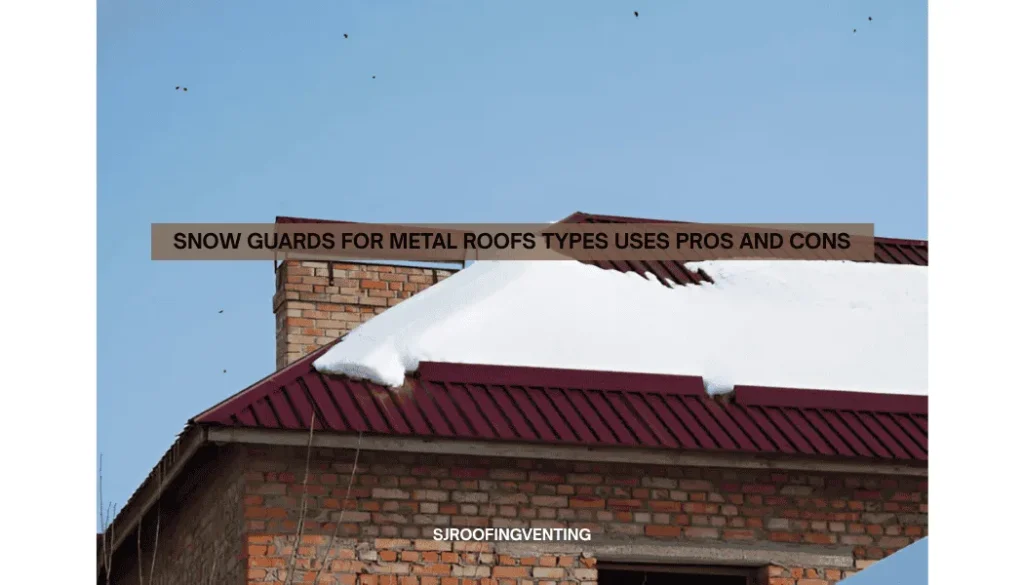
Okay, why do metal roofs need snow guards? It’s because they are flat surfaces that don’t provide friction, so they can’t hold snow. When snow accumulates and builds up, it can suddenly slide off, causing damage to gutters, skylights, and roof panels.
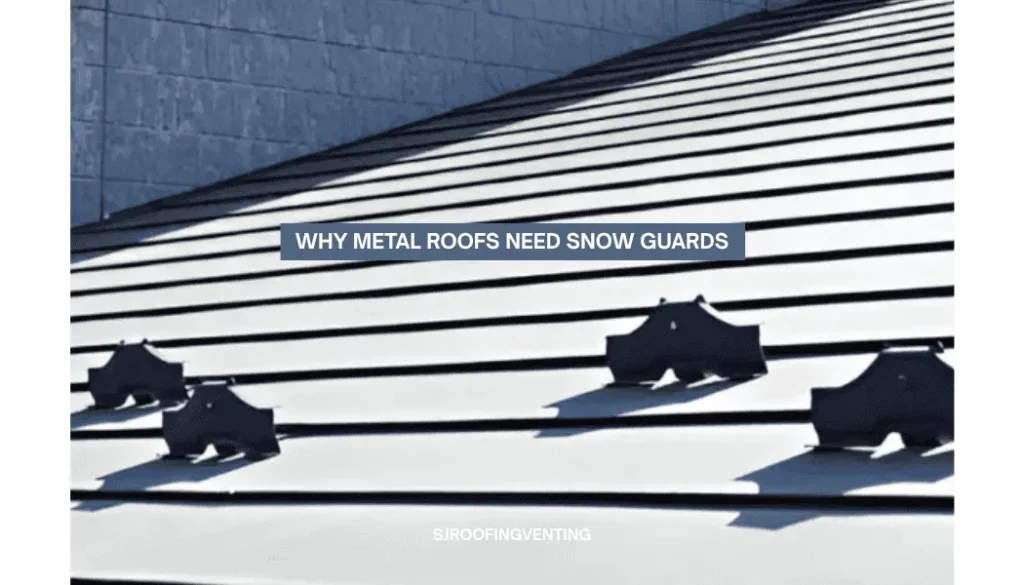
This can be a serious safety risk. Snow guards help by breaking the snow into smaller pieces, which reduces the risk of a snow slide. This is especially important in areas with heavy snowfall or fluctuating temperatures. By installing snow guards, homeowners can protect their investment and improve safety during the winter months.
Types of Snow Guards
Okay, so let’s discuss the types of snow guards. Snow guards come in various types and designs. They are different depending on the interior, architectural style, and the level of snow load. The primary goal of a snow guard is to control the movement of snow and ice on rooftops, but the way they do this can vary based on their design.
The most common types include pad-style, pipe-style, and fence-style snow guards, along with snow bars, which are often compared to traditional guards. Understanding each type helps homeowners and contractors choose the right snow retention system for their specific needs.
Pad-Style Snow Guards
Now let’s talk about pad-style snow guards. Pad-style snow guards are among the best and most popular snow guards available in the market. These snow guards are small devices shaped like pads or blocks, and they are installed in staggered rows on the roof surface. They are designed to slow down the flow of snow, allowing it to melt gradually rather than sliding off suddenly. This helps prevent snow buildup from causing damage and improves roof safety in winter conditions.
Features of Pad-Style Snow Guards:
Often made from polycarbonate or metal (like stainless steel or aluminum)
Installed directly onto the roof panel or attached mechanically using adhesive
- Suitable for residential homes, especially those with lower snow loads
- Aesthetic designs available to match roofing colors and materials
Best For: Metal roofs on homes, garages, and small commercial buildings where you want to manage snow quietly and subtly without affecting the roof’s appearance.
Pipe-Style Snow Guards
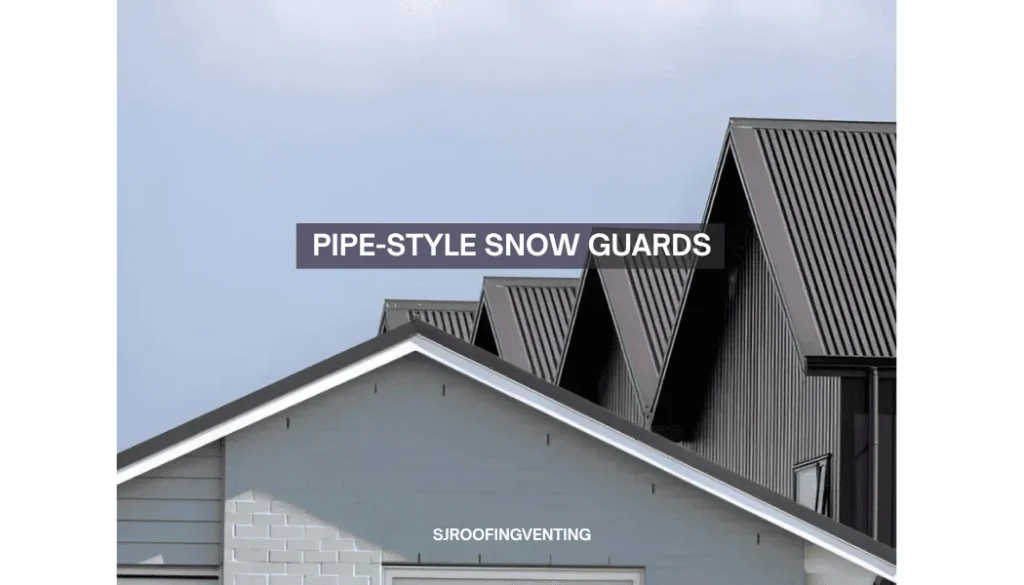
Okay, now let’s talk about pipe-style snow guards. Pipe-style snow guards, also known as snow rail systems, are made up of horizontal pipes that run across the roof. These pipes are supported by brackets attached to the roof. This system acts as a barrier that holds back large volumes of snow and ice, making them ideal for regions that experience heavy snowfall or frequent rain. Pipe-style guards are great for controlling snow movement in areas with extreme winter conditions.
Features of Pipe-Style Snow Guards:
- Constructed from durable metals like galvanized steel, copper, or aluminum
- Pipes can be single, double, or triple rails based on the expected snow load
- Often used in commercial and industrial buildings or steep metal roofs
- Customizable in length and finish to blend with architectural aesthetics
Best For: Large buildings and steep-sloped metal roofs in snow-prone areas where snow retention must be strong and reliable.
Fence-Style Snow Guards
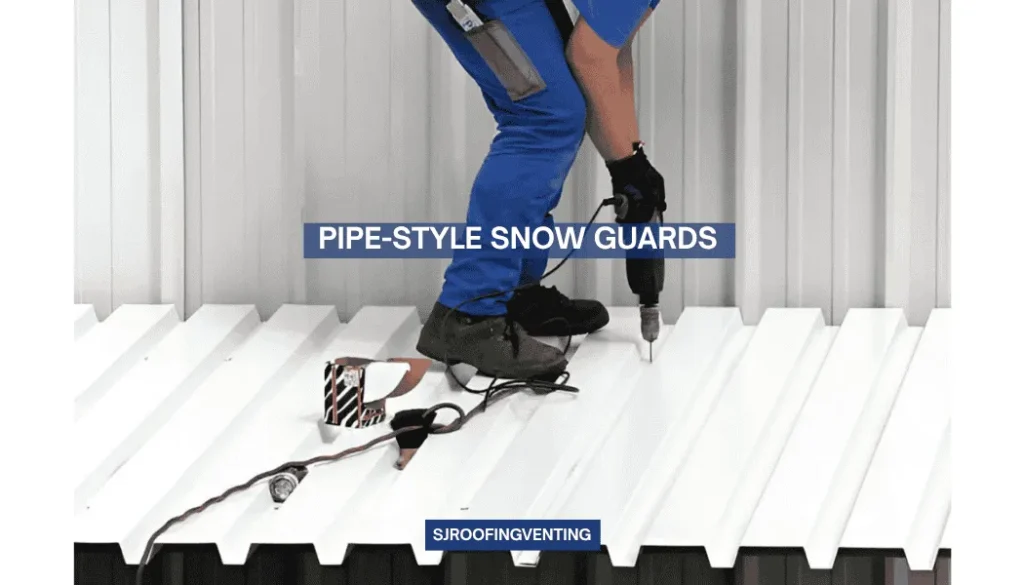
Okay, now let’s talk about fence-style snow guards. Fence-style snow guards are similar to pipe-style snow guards, but instead of pipes, they use flat metal or wire panels that form a fence-like structure along the roof. These guards provide continuous snow retention across the entire roofline. They are especially effective at stopping snow from sliding off and are ideal for areas with heavy snow accumulation.
Features of Fence-Style Snow Guards:
- Use metal brackets and flat bars that span horizontally across the roof
- Offer more coverage than pad-style guards
- Provide aesthetic flexibility with decorative fencing designs
- Suitable for historical or decorative buildings
Best For: Homes and buildings where both snow management and architectural appearance are priorities—especially in high-snow regions.
Snow Bars vs. Snow Guards
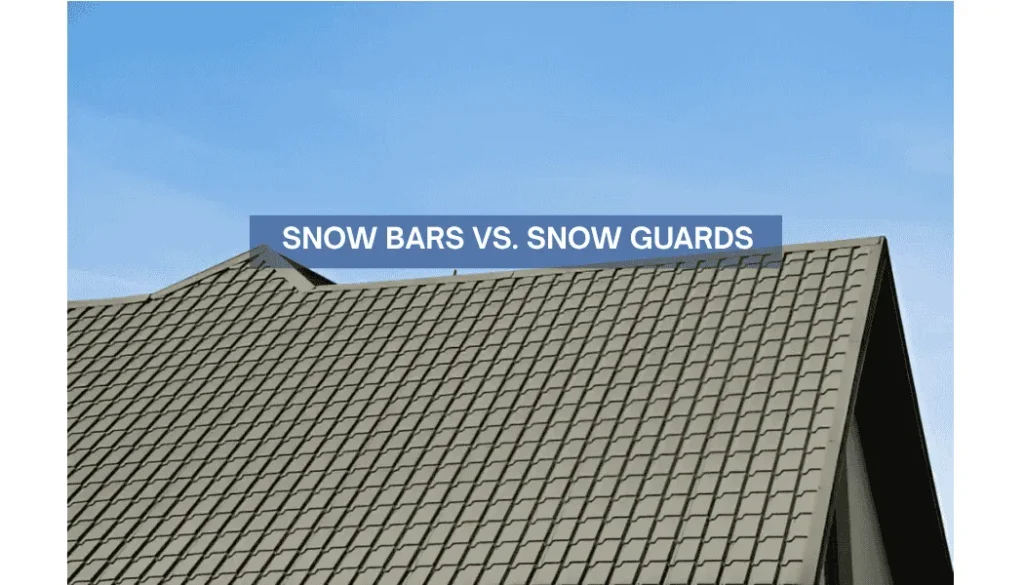
Snow bars are similar to pipe-style guards and often have a comparable design. A snow bar is typically a single horizontal metal bar that runs across the width of the roof. In some setups, multiple bars are placed in a distributed pattern along the roof surface. Snow bars provide linear snow retention, helping to hold back snow and allow it to melt gradually, reducing the risk of sudden snow slides.
| Feature | Snow Bars | Snow Guards |
|---|---|---|
| Design | Continuous horizontal bar | Individual or clustered units |
| Best For | Large snow loads, commercial roofs | Residential roofs, light to moderate snow |
| Installation | Mounted with brackets | Mounted with screws or adhesive |
| Appearance | Sleek and uniform | Can be discreet or decorative |
| Performance | Holds back large sheets of snow | Disrupts and slows snow movement |
When to Use Snow Bars: Ideal for metal roofs on larger structures, especially in commercial settings where snow loads are heavier and more dangerous.
When to Use Snow Guards: Perfect for homes and small buildings, offering effective snow control without overwhelming the roof design.
How Snow Guards Work
Now let’s discuss how snow guards actually work. Snow guards are simple but effective devices that manage the behavior of snow and ice on roofs — especially on metal roofs, where snow tends to slide off rapidly due to the smooth surface and lack of friction. Their primary purpose is to hold snow and ice in place, allowing it to melt gradually and safely. This helps to prevent sudden snow slides that can damage property, gutters, skylights, and pose a risk to people below.
Snow guards are not one-size-fits-all. Their performance depends on roof pitch, snowfall intensity, roof material, and building structure. They operate through two core principles: snow retention and snow breaking.
Snow Retention vs. Snow Breaking
Understanding the difference between snow retention and snow breaking is essential when selecting and installing the right snow guard system.
Snow Retention
Snow retention is the process of holding snow on the roof so that it stays in place and melts gradually. Snow retention systems are especially effective and useful in areas with heavy and consistent snowfall. By preventing snow from sliding off suddenly, these systems help to protect roofs, property, and people from damage and accidents.
How it works:
- Snow guards form a barrier that prevents large sheets of snow from sliding down all at once
- Retained snow melts in small amounts, reducing the weight stress on the roof
- This protects gutters, walkways, landscaping, and people below the roof
Best suited for: Metal roofs in cold climates, especially over entrances, driveways, loading docks, and sidewalks
Snow Breaking
Snow breaking refers to distributing the flow of snow into smaller pieces. This is commonly achieved through pad-style snow guards, which are installed in staggered rows on the roof. Instead of just holding the snow, these guards break large chunks of snow into smaller pieces. This helps in the gradual melting of snow and significantly reduces the risk of damage to roofs, gutters, and property.
How it works:
- Snow guards act as small obstacles that fracture snow slabs
- Broken snow pieces fall safely rather than in dangerous, heavy sheets
- This minimizes the chance of sudden avalanches from smooth metal surfaces
Best suited for: Regions with moderate snowfall, or roofs where complete snow retention is not practical
How They Prevent Ice Dams and Avalanches
Preventing Rooftop Avalanches
Without snow guards, metal roofs allow snow and ice to slide off easily, especially during sunny days or when temperatures suddenly rise. This sliding snow can cause serious issues such as property damage, legal liabilities, and even threaten people’s safety and lives. Snow guards are essential for preventing these risks in snowy regions.
- Property damage (broken gutters, damaged HVAC systems, dented vehicles)
- Injury to people or pets
- Liability risks for property owners
How snow guards help:
- Distribute the snow load evenly across the roof
- Prevent sudden downward movement
- Reduce risk of dangerous “roof avalanches” over entrances and walkways
Snow guards are especially important over:
- Doorways
- Garage entrances
- Sidewalks
- Customer or public areas
Preventing Ice Dams
Without snow guards, metal roofs allow snow and ice to slide off, okay, especially during sunny days or sudden temperature rises. The sliding can cause damages like property damage, liabilities, and even lives.
How snow guards prevent ice dams:
- By keeping snow evenly distributed, they reduce the rapid flow of meltwater to roof edges
- Encourage gradual and uniform melting, minimizing pooling at eaves
- Reduce the chances of water freezing at the edges, which is the core cause of ice damming
Pairing snow guards with proper roof insulation and ventilation can drastically improve their effectiveness in ice dam prevention.
Benefits of Snow Guards on Metal Roofs
There are many benefits of snow guards on metal roofs, okay. They are useful in regions with heavy snowfall, since metal roofs have smooth surfaces, okay, so snow and ice can easily slide off and cause damage to gutters, skylights, and property, okay. And this is really dangerous, right? So snow guards help by regulating the movement of snow, and it also allows the snow to melt gradually and slowly to prevent any loss.There are many benefits of snow guards on metal roofs, okay. They are useful in regions with heavy snowfall, since metal roofs have smooth surfaces, okay, so snow and ice can easily slide off and cause damage to gutters, skylights, and property, okay. And this is really dangerous, right? So snow guards help by regulating the movement of snow, and it also allows the snow to melt gradually and slowly to prevent any loss.
Below are the major benefits of adding snow guards to your metal roofing system:
Protection of Property and Landscaping
Prevent Damage to Outdoor Features
One of the most important benefits of snow guards is that it protects the property and the roof. When these large pieces of snow slide off, they can damage gutters. It can fall with significant force, damaging gutters, air conditioning units, satellite dishes, mailboxes, fences, and even vehicles parked nearby.
Preserve Landscaping and Gardens
Snow sliding from a roof can also destroy carefully maintained landscaping such as flower beds, shrubs, bushes, and decorative features. This is particularly relevant for homes and commercial properties where curb appeal and outdoor design are a priority.
How snow guards help:
- Hold snow in place to prevent sudden release
- Reduce impact and eliminate large snow piles forming at the roof’s edge
- Ensure even snow distribution across the entire roof surface
Improved Roof Safety
Prevent Sudden Snow Avalanches
Metal roofs also cause sudden and dangerous snow slides, and when it’s very hot, it is very harmful — especially when temperatures change. A quick change can cause entire sheets to slip off and cause harm. A quick thaw can cause entire sheets of snow to slip off, endangering anyone nearby. This includes homeowners, family members, pets, or customers entering or exiting a building.
Snow guards significantly improve roof safety by:
- Controlling how snow melts and shifts
- Breaking up large snow sheets into smaller, manageable chunks
- Preventing dangerous accumulations from building up on overhangs or gutters
Ensure Safe Building Access
Snow guards are particularly important above:
- Doorways
- Garage entrances
- Walkways and stairs
They help make these areas safer to use in the winter, reducing slips, falls, and injuries caused by falling snow.
Reduced Liability Risks
Avoid Legal and Financial Consequences
For business owners, property managers, and landlords, failing to install snow guards can result in serious liability issues. If snow or ice falls and injures a passerby or damages a customer’s vehicle, the property owner may be held legally responsible.
Compliance with Local Building Codes
In many snowy regions, building codes require snow retention systems to be installed on commercial and multi-family buildings. Installing snow guards ensures compliance with local laws and can reduce insurance costs by minimizing risk.
Key risk reduction benefits:
- Minimize injury claims
- Avoid lawsuits or legal fees
- Maintain a safe environment for guests, tenants, and customers
Enhanced Roof Longevity
Repeated snow slides can wear down roofing materials, especially on metal panel seams, fasteners, flashing, and gutter systems. Over time, this damage can lead to:
- Leaks and water infiltration
- Structural stress
- Premature roof repairs or replacements
Minimize Ice Dams and Water Damage
Snow guards encourage slow, controlled melting, which reduces the chance of ice dams forming at the roof edge. Ice dams can trap water under the roof, leading to rot, mold, and insulation damage.
How snow guards enhance durability:
- Reduce physical strain on roof components
- Encourage uniform snow and ice melt
- Lower long-term maintenance and repair costs
Materials and Finishes
Snow guards are manufactured by using very durable materials, and they withstand daily wear under extreme weather conditions. They blend seamlessly with the roof aesthetics. The materials used affect not only the look of the guard system but also how effective it is in enduring stress and impact. The most commonly used materials for snow guards deliver very good performance.
Stainless Steel
Stainless steel snow guards are known for their exceptional strength, corrosion resistance, and durability. They are ideal for locations with heavy snowfall, frequent freeze-thaw cycles, or where long-term performance is critical.
Advantages:
- High tensile strength — ideal for large snow loads
- Corrosion-resistant — especially important in coastal or humid environments
- Long-lasting with minimal maintenance
- Suitable for both residential and commercial metal roofing systems
Best Use Cases:
- Industrial buildings
- Commercial properties
- High-snowfall regions
While stainless steel is usually left in its natural metallic finish, it can also be powder-coated for improved visual appeal and roof color matching.
Aluminum
Aluminum snow guards offer a balance between strength and lightweight construction. They are really lightweight, like exceptionally lightweight, and they resist corrosion. They are often used on residential homes because they are very durable and cheap. They are also really easy to install, and they’re compatible with almost all roof types, no matter what kind or which roof type.
Advantages:
- Lightweight yet durable
- Naturally rust-resistant
- Can be anodized or powder-coated in various colors
- More budget-friendly than stainless steel
Best Use Cases:
- Homes and garages
- Low to moderate snow regions
- Buildings where appearance is important
Aluminum snow guards are available in multiple profiles and colors, making them a popular choice for homeowners looking for performance without compromising design.
Polycarbonate
Polycarbonate snow guards are made from a tough, transparent plastic that is UV-resistant and impact-resistant. They are especially valued for their low-profile appearance and ability to blend visually into the roof surface.
Advantages:
- Transparent or colored for low-visibility installations
- UV-stabilized to resist yellowing and cracking over time
- Lightweight and easy to install with adhesive or screws
- Less expensive than metal options
Best Use Cases:
- Residential homes with aesthetic concerns
- Light to moderate snow loads
- Historical buildings or modern architecture
Polycarbonate guards are a favorite for installations where discretion and roof design consistency matter most. Despite being plastic, they’re incredibly durable and can handle significant snow when used correctly.
Color Matching and Aesthetic Options
In addition to choosing the right material, snow guards also come in various finishes and color options to complement the roof’s design. This is especially important for homeowners and architects who want snow guards to be functional but not visually intrusive.
Options Available:
- Powder-coated finishes in a wide range of colors
- Anodized aluminum with metallic sheen
- Custom color matching to blend with roof panels (especially for standing seam metal roofs)
- Clear polycarbonate for nearly invisible installations
Choosing the right finish ensures that your snow guards do not distract from the roof’s appearance while still delivering high performance. Many manufacturers offer color charts or even custom powder coating to match specific roofing systems.
Installation Considerations
Installing snow guards on a metal roof requires careful planning to ensure they perform effectively. Improper placement or spacing can reduce their effectiveness and even cause damage to the roof structure. Factors like roof type, snow load, roof pitch, and whether you choose DIY or professional installation all play a critical role in the outcome.
Below, we break down the key installation considerations every homeowner or contractor should understand before installing snow guards.
Ideal Placement and Spacing
Proper placement and spacing of snow guards is essential for even snow distribution and maximum effectiveness. Snow guards should never be installed randomly or only near the eaves, as this creates stress on a small area of the roof and may lead to structural failure or ineffective snow retention.
Best Practices for Placement:
- Distribute snow guards in rows starting several feet up from the roof eave (not at the very edge)
- Stagger the rows across the roof’s surface for optimal coverage
- Higher snow load areas may require multiple rows or closer spacing
Typical Spacing Guidelines:
- Pad-style guards: Installed in a staggered pattern across the lower two-thirds of the roof
- Pipe- or fence-style systems: Run continuously along the length of the roof, often 12–24 inches from the eave
- Spacing varies by roof pitch, snow volume, and type of snow guard
It’s recommended to consult the snow guard manufacturer for spacing charts or software tools based on your exact roof specifications.
DIY vs. Professional Installation
Whether to install snow guards yourself or hire a professional depends on your roofing experience, tools available, and the complexity of the project.
DIY Installation:
- Suitable for low-height residential buildings
- Works well for polycarbonate or adhesive-mounted pad-style guards
- Requires precise measurements, layout planning, and correct adhesives or fasteners
- May void roof warranty if done incorrectly
Professional Installation:
- Ideal for multi-story homes, steep roofs, or pipe-style systems
- Ensures correct placement, spacing, and attachment according to load calculations
- Professionals use manufacturer-recommended methods and often offer warranties
- Better suited for complex roof geometries or retrofits
Pro Tip: If your home is in a high snowfall region or if your roof is difficult to access, investing in professional installation is highly recommended to ensure long-term safety and performance.
Compatibility with Different Metal Roof Profiles
Snow guard systems must be compatible with the profile of your metal roof, as the roof type affects both the installation method and guard design.
Common Metal Roof Types & Compatibility:
| Roof Type | Compatible Snow Guard Types | Installation Method |
|---|---|---|
| Standing Seam | Clamp-on, rail systems, pad-style | Non-penetrating seam clamps |
| Corrugated Metal | Pad-style, screw-down pipe or fence-style | Screw-through attachment |
| Ribbed/Trapezoidal Panels | Custom-fit pad or rail systems | Screw or bracket mounting |
| Flat Metal Panels | Pad-style, adhesive-mounted guards | Adhesive or mechanical |
Important: Using the wrong type of snow guard or fastener for your roof profile can lead to leaks, damage, or ineffective snow retention. Always choose guards specifically designed for your metal panel profile.
Roof Pitch and Snow Load Factors
The pitch of the roof and the expected snow load play major roles in determining:
- What type of snow guard to use
- How many are needed
- Where and how they should be installed
Roof Pitch:
- Low-slope roofs (2:12 to 4:12): Snow melts slowly; fewer guards may be needed
- Steep-slope roofs (above 6:12): Snow slides easily; requires more aggressive snow retention (like pipe or fence-style guards)
Snow Load Considerations:
- Measured in pounds per square foot (PSF)
- Varies by geographic location and roof exposure
- Higher snow load areas require more robust systems with closer spacing
Use local building codes or a structural engineer’s assessment to determine the maximum snow load your roof must handle. Most snow guard manufacturers provide load charts and calculators for precise planning.
What is the difference between metal roof snow guards and snow rails?
Snow guards are small devices that break snow into smaller pieces, while snow rails (pipe-style) act as continuous barriers to retain large snow volumes.
What are the best snow guards for metal roofs?
The best snow guards for metal roofs are pad-style for residential use and pipe-style or fence-style for heavy snow areas.
Where can I find snow guards for metal roofs near me?
You can find snow guards at local roofing suppliers, hardware stores, or online retailers that specialize in metal roofing accessories.
What are snow guards for roofs used for?
Snow guards are used to hold snow in place on roofs, preventing sudden slides and allowing it to melt safely.
What are clamp-on snow guards for metal roofs?
Clamp-on snow guards attach to standing seam metal roofs without penetrating the surface, preserving roof integrity.
How do snow guards work on standing seam metal roofs?
Snow guards for standing seam roofs use clamp-on or non-penetrating mounts to hold snow and prevent rooftop avalanches.

Hello! I’m Abdullah, a passionate professional in the field of construction and roofing. I am the proud owner of SJ Roofing & Venting, a leading construction company based in New York. With years of hands-on experience, I write about various construction methods, techniques, and industry insights to share my knowledge and help others in the field. I’m also the founder and main contributor of this website.